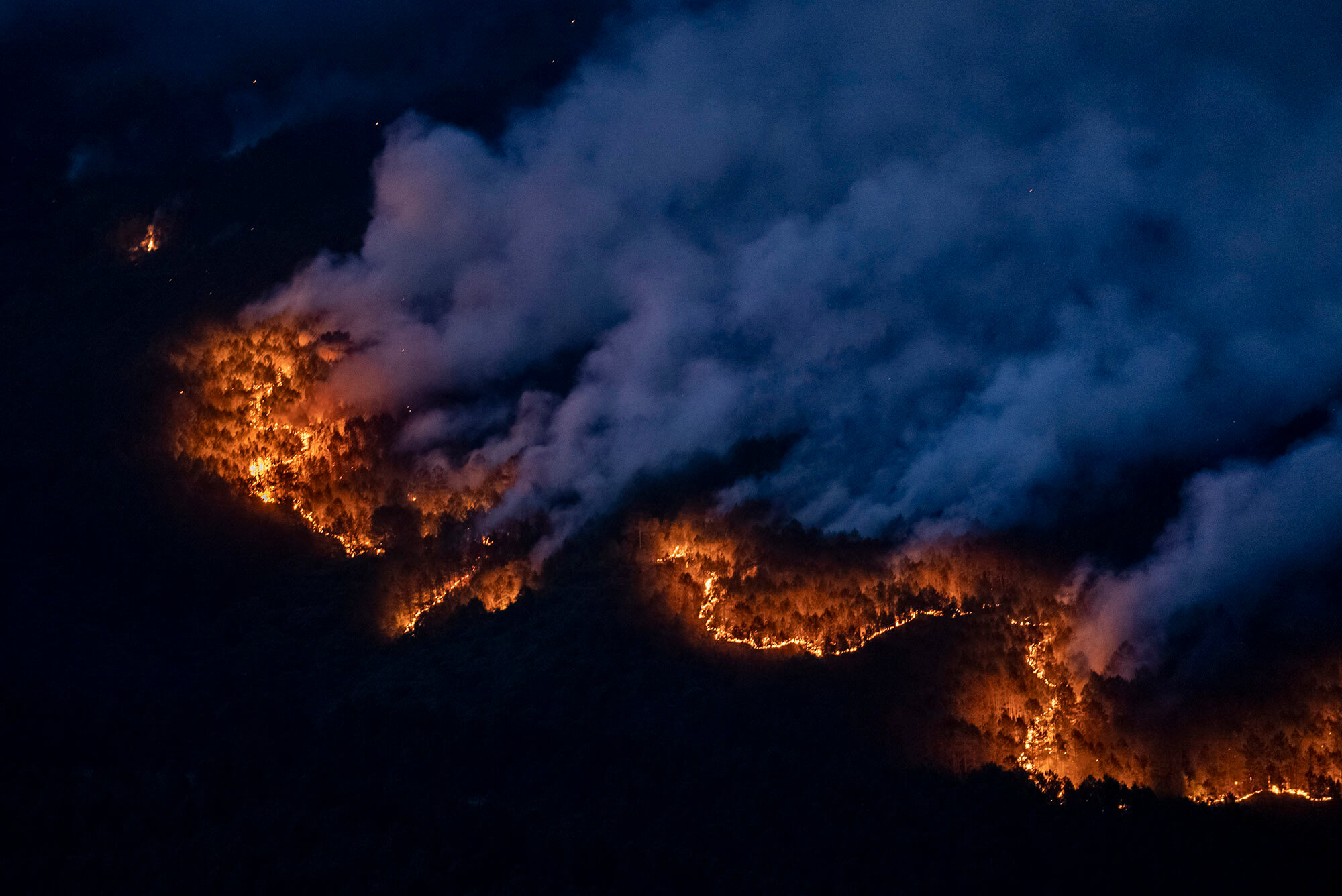
How the Age of Megafires Can Be Brought to an End
What defines a megafire and why they are increasing
Megafires are not just large wildfires—they are extreme, fast-moving events that overwhelm suppression systems and burn for weeks or months. They typically exceed 100,000 acres and cause massive ecological, economic, and human losses.
Their rise is not accidental. Climate change has lengthened fire seasons, while decades of fire suppression have allowed vegetation to accumulate. When fires ignite under dry, windy conditions, they no longer behave like manageable forest fires but turn into uncontrollable disasters.
Fuel overload from decades of poor land management
For much of the 20th century, land management policies focused on suppressing all fires. While this approach protected communities in the short term, it disrupted natural fire cycles that once cleared excess vegetation.
Forests and grasslands became densely packed with dry fuel. When fire eventually returns, it burns hotter, faster, and higher into tree canopies. This fuel overload is one of the main structural causes of megafires and cannot be solved through firefighting alone.
Climate conditions that supercharge wildfires
Rising temperatures and prolonged droughts dry out vegetation, turning forests into flammable landscapes. Snow melts earlier, soil moisture drops faster, and fire seasons extend well beyond historical norms.
The role of wind and extreme weather
High winds transform ordinary fires into megafires within hours. Wind-driven embers can travel miles ahead of fire fronts, igniting new blazes faster than crews can respond. These conditions make traditional containment strategies ineffective once a fire reaches a certain size.
Prescribed burns and fuel reduction strategies
One of the most effective tools for preventing megafires is controlled, low-intensity burning. Prescribed burns reduce fuel loads, restore natural fire behavior, and lower the chance of extreme fire spread.
However, these programs face regulatory, financial, and public perception challenges. Smoke concerns, liability risks, and limited seasonal windows often delay implementation, allowing fuel levels to keep rising.
Effective fuel reduction programs typically combine:
- Prescribed burns under controlled conditions
- Mechanical thinning in high-risk zones
- Targeted clearing near communities and infrastructure
Modern firefighting technology and its limits
Advanced tools like satellite fire detection, AI-driven fire modeling, and drone surveillance have improved early response. Faster detection can prevent small fires from becoming megafires—but only if fuel conditions are manageable.
Technology cannot compensate for landscapes overloaded with dry vegetation. Once a fire grows beyond a certain intensity, even the most advanced equipment becomes defensive rather than controlling.
Community planning and wildfire-resistant development
Ending the era of megafires also requires changes in how and where communities are built. Development in high-risk zones increases ignition sources and complicates suppression efforts.
Fire-resistant building materials, defensible space regulations, and smarter zoning reduce both fire spread and property loss. These measures do not stop fires from occurring, but they limit their ability to escalate into catastrophic events.
Why prevention matters more than suppression
Suppression focuses on reacting after ignition. Prevention reshapes the landscape before fire starts. Long-term fire resilience depends far more on fuel management and land-use planning than on emergency response budgets.
Economic and cultural barriers to change
Despite clear evidence, large-scale fire prevention remains underfunded. Prevention costs are immediate, while benefits are long-term and less visible. This makes it harder for governments to justify investments compared to disaster recovery spending.
Industries tied to outdoor recreation, tourism, sports events, and casino destinations are increasingly affected by megafires through closures, air quality issues, and infrastructure damage. Fire resilience is no longer just an environmental issue—it is an economic stability issue.
Can the megafire era realistically end?
Megafires are not inevitable. They are the result of identifiable policies, climate trends, and land management choices. While climate change makes fire risk unavoidable, fire behavior can still be shaped.
Reducing megafires requires sustained fuel management, acceptance of controlled fire, investment in prevention, and adaptation of communities to fire-prone environments. Without these steps, megafires will remain the dominant force shaping landscapes and economies.
