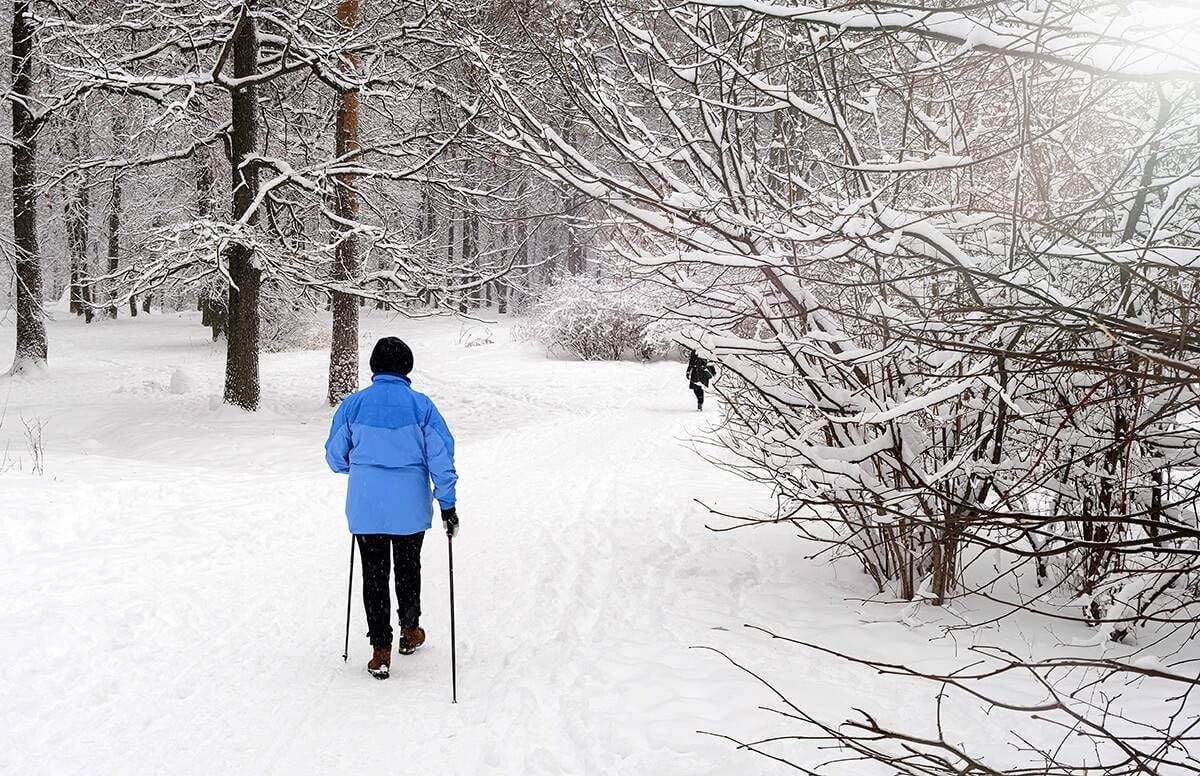
How to Stay Resilient and Functional Through Winter
Understanding why winter is harder on the body and mind
Winter is not just colder—it fundamentally changes how the body and brain operate. Shorter daylight hours disrupt circadian rhythms, reducing serotonin and vitamin D levels. Cold temperatures force the body to burn more energy to maintain core heat, while limited outdoor activity reduces movement and social interaction.
These factors combine to lower immunity, slow metabolism, and increase mental fatigue. Surviving winter is less about endurance and more about adjusting routines to match seasonal stressors.
Managing cold exposure without overreliance on heating
Indoor heating keeps homes livable, but excessive reliance drives up energy bills and dries indoor air. A smarter approach balances warmth, efficiency, and health.
Effective cold management focuses on heat retention rather than heat production. Insulation, humidity control, and clothing choices often matter more than thermostat settings, especially during long winters.
Nutrition strategies that support winter resilience
Cold weather increases caloric needs while reducing access to fresh foods in some regions. Diet directly affects immune strength, energy levels, and mood stability.
Key nutrients that matter most in winter
Winter nutrition should prioritize warmth, immunity, and metabolic efficiency. Protein supports muscle and heat production, while healthy fats provide slow-burning energy. Micronutrients play a critical role in preventing seasonal illness and fatigue.
Foods and nutrients to emphasize include:
- Vitamin D–rich foods or supplements
- Iron and B vitamins for energy regulation
- Omega-3 fats for inflammation control and mood balance
Hydration also matters more than people realize. Dry air increases fluid loss even when thirst signals are weaker.
Staying active when conditions limit movement
Physical inactivity is one of winter’s biggest hidden risks. Reduced movement weakens circulation, worsens joint stiffness, and lowers mental alertness.
Indoor training, short outdoor sessions, and consistency matter more than intensity. Even light daily movement improves temperature regulation and immune response.
Adapting exercise to cold conditions
Winter-friendly activity focuses on maintaining baseline fitness rather than peak performance. Short workouts reduce injury risk while keeping metabolism active. This is especially relevant for people following sports seasons, esports, or betting markets, where long sedentary hours are common.
Protecting mental focus during long, dark months
Winter affects concentration and decision-making. Lower light exposure reduces alertness, while monotony increases impulsive behavior. This has real consequences for productivity, financial choices, and risk-taking habits.
Structured routines help stabilize focus. Consistent sleep and exposure to artificial or natural light early in the day significantly improve cognitive performance. Mental resilience in winter depends on predictability more than motivation.
Financial and energy planning for winter months
Winter increases household costs through heating, lighting, and reduced efficiency. Without planning, seasonal expenses can quietly erode disposable income.
Smart winter budgeting includes anticipating higher utility bills and adjusting discretionary spending. This is particularly relevant for casino and sports betting audiences, where bankroll management depends on stable monthly expenses.
Energy efficiency improvements—such as sealing drafts or adjusting usage schedules—often provide better returns than cutting essential comfort.
Health risk prevention beyond common colds
Winter illness is not limited to flu or respiratory infections. Reduced sunlight, inactivity, and poor air quality increase the risk of joint pain, skin conditions, and chronic inflammation.
Preventive care becomes more important when healthcare access may be disrupted by weather. Maintaining baseline health reduces downtime and protects long-term performance—whether at work, in sports analysis, or strategic betting decisions.
Why winter survival is about strategy, not toughness
Winter rewards preparation, not endurance. Those who adjust habits early maintain better health, sharper focus, and stronger financial control. This mirrors the logic of sports and betting: long-term success depends on risk management, not short-term aggression.
Surviving winter well means staying functional, alert, and balanced until conditions improve. With the right systems in place, winter becomes manageable rather than draining.